
Open Source CV: Customize, and Control Your Resume Digitally
Open Source CV: A Modern Approach to Resume Creation
The way professionals create and share resumes has changed dramatically over the years. Traditional document-based resumes are slowly giving way to more flexible and technology-driven formats. One concept gaining attention is the open-source CV, a resume built using openly available tools, frameworks, and code that anyone can view, customize, and improve.
This approach is especially popular among developers, designers, and tech-savvy professionals who want complete control over how their experience is presented. Instead of relying on fixed templates, an open structure allows resumes to grow, adapt, and stay relevant in a digital-first hiring world.
What Is an Open Source CV?
An open-source CV is a resume created using publicly available software, templates, or frameworks where the underlying structure is open for modification. Unlike traditional CV builders, these resumes are not locked behind paid platforms or restrictive designs.
At its core, this type of CV is built with transparency in mind. Anyone can access the layout, logic, and formatting through shared repositories, making it easier to personalize and maintain. This flexibility has made it increasingly attractive for professionals who value ownership and customization.
Why Open Source CVs Are Becoming Popular
Hiring processes Staffing agencies in Plano are becoming more digital and automated. Recruiters now review resumes on multiple platforms, devices, and systems. An open-source CV adapts well to this environment because it can be optimized for both humans and machines.
Professionals also appreciate the creative freedom. Instead of adjusting content to fit a template, the template evolves around the content. This shift empowers individuals to present their skills in a more authentic and structured way.
The Role of CV Source Code
Behind every open resume lies its foundation, the CV source code. This code defines how the CV looks, behaves, and updates over time. It may be written in HTML, LaTeX, Markdown, or other open formats depending on the project.
Having access to the CV source code means users can fine-tune spacing, fonts, sections, and layouts. More importantly, it ensures long-term accessibility. Even if a platform shuts down, the resume remains usable and editable.
How an Open Source CV Works
An open-source CV usually starts as a basic framework shared on platforms like Git repositories. Users copy or fork the project, then customize it according to their professional background.
Once edited, the CV sourcing can be exported into PDF, hosted as a personal website, or integrated with portfolio platforms. This modular structure makes updating information simple, especially for professionals who frequently add new projects or experiences.
Benefits of Using an Open Source CV
The appeal of an open-source CV lies in its flexibility and control. Professionals are no longer dependent on third-party tools that limit design or charge recurring fees.
Some of the most practical benefits include
-
Full ownership of resume structure and data
-
Easy customization using cv source code
-
Long-term accessibility and portability
-
Better compatibility with digital hiring systems
Who Should Use an Open Source CV?
While anyone can benefit from Staffing Agency West Midlands, an open-source CV is especially valuable for professionals in technical or creative fields. Developers, data analysts, engineers, and designers often prefer this approach because it reflects their skills and mindset.
That said, non-technical users can also adopt open formats using pre-built frameworks. Many projects are designed to be user-friendly, requiring minimal coding knowledge while still offering the benefits of open access.
Customization and Personal Branding
Personal branding plays a major role in modern job searches. An open-source CV allows professionals to design a resume that aligns perfectly with their identity.
By modifying the CV source code, users can create unique layouts, add interactive elements, or link directly to portfolios and social profiles. This level of personalization is difficult to achieve with traditional resume builders.
Open Source CV vs Traditional Resume Tools
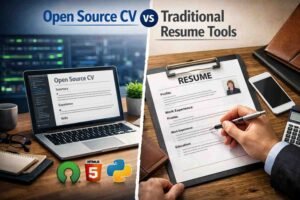
Traditional resume tools are convenient, but they often come with limitations. Templates may look polished, but they restrict creativity and control. In contrast, an open-source CV grows with the user.
When comparing both options, open formats offer greater transparency, adaptability, and long-term value. They also reduce dependency on platforms that may change pricing or features unexpectedly.
Maintenance and Updates Made Easy
Careers evolve, and resumes must evolve with them. One of the biggest advantages of an open-source CV is how easy it is to maintain.
Instead of redesigning a document from scratch, users simply update the relevant section in the CV source code. This makes regular updates faster and less stressful, especially for professionals managing active careers.
Security and Data Ownership
Data privacy is an increasing concern in digital recruitment. An open-source CV ensures that personal information remains under the user’s control.
Because the resume is stored locally or on a chosen platform, there is no risk of data being sold or misused by third-party services. This transparency builds confidence and trust in how professional information is shared.
Challenges of Using an Open Source CV
Despite its benefits, an open-source CV can feel intimidating to beginners. Understanding basic structure or formatting may require initial learning.
However, many open projects provide detailed documentation and community support. With time, even non-technical users can become comfortable managing their resume through simple edits.
The Future of Open Source CVs
As hiring continues to shift online, open and flexible resume formats are likely to grow. An open-source CV aligns well with trends such as remote work, digital portfolios, and skills-based hiring.
With improvements in tools and templates, managing CV source code will become even more accessible. This evolution will make open resumes a mainstream option rather than a niche choice.
Conclusion
An open-source CV represents more than just a resume; it reflects control, transparency, and adaptability. By giving professionals access to their own resume structure, it removes limitations imposed by traditional tools.
With the flexibility of editable CV source code, professionals can build resumes that truly represent their skills and experience. In a digital-first job market, this approach offers both creative freedom and long-term reliability.
(FAQs)?
1. What is an open-source CV?
An open-source CV is a resume built using publicly available frameworks that allow full customization and control.
2. Do I need coding skills to use an open-source CV?
Basic knowledge helps, but many templates are beginner-friendly and require minimal editing.
3. Is an open-source CV suitable for non-technical jobs?
Yes, an open-source CV can be used in any industry with the right design and content.
4. What is CV source code used for?
The CV source code defines the layout, structure, and formatting of the resume, making customization possible.
5. Are open-source CVs accepted by recruiters?
Yes, as long as the resume is clear and professional, recruiters value content over format.
